
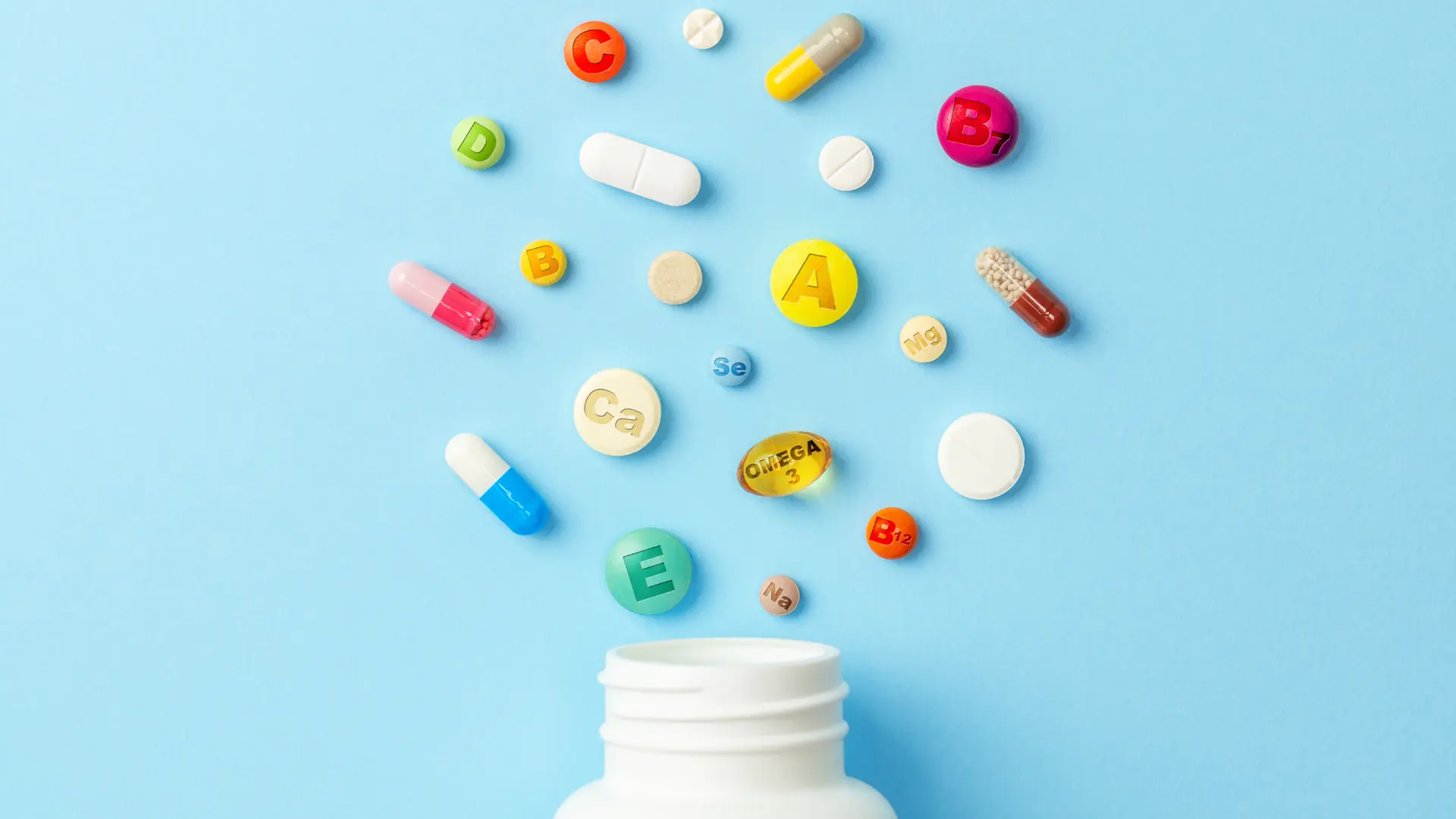
Hair loss affects millions of people worldwide, with many unaware that their diet may be the underlying culprit. While genetics and hormones play significant roles in hair loss, nutritional deficiencies are often overlooked causes that can dramatically impact hair growth, thickness, and overall scalp health. Understanding which nutrients are essential for healthy hair can help you identify potential deficiencies and take corrective action before hair loss becomes severe.
At Cosmed HairSkin Solutions, we frequently see patients whose hair loss improves significantly once nutritional deficiencies are addressed alongside professional treatments. Your hair follicles are among the most metabolically active cells in your body, requiring a steady supply of vitamins, minerals, and nutrients to produce strong, healthy strands. When your body lacks these essential nutrients, hair growth slows, existing hair becomes weak and brittle, and excessive shedding may occur.
Iron Deficiency: The Most Common Nutritional Cause
Iron deficiency is the leading nutritional cause of hair loss, particularly in women. Iron plays a crucial role in producing haemoglobin, which carries oxygen to hair follicles. Without adequate iron, hair follicles cannot function optimally, leading to diffuse hair thinning and increased shedding.
Signs of Iron-Related Hair Loss:
- Gradual thinning across the entire scalp
- Increased daily hair fall (more than 100 strands daily)
- Hair that appears dull and lacks lustre
- Accompanying symptoms like fatigue and pale skin
Who’s at Risk:
- Women with heavy menstrual periods
- Vegetarians and vegans
- People with digestive disorders
- Frequent blood donors
Iron deficiency hair loss typically manifests as diffuse thinning rather than pattern baldness. The good news is that correcting iron levels can reverse hair loss, though it may take 6-12 months to see significant improvement as hair grows slowly.
Protein Deficiency: Hair’s Building Block
Hair is primarily composed of keratin, a protein structure that requires adequate dietary protein for synthesis. Protein deficiency can cause hair to enter its resting phase prematurely, leading to increased shedding and poor hair quality.
Protein Deficiency Symptoms:
- Hair that breaks easily
- Thin, fine hair texture
- Slow hair growth
- Hair colour changes or loss of pigmentation
Severe protein deficiency can cause a condition called kwashiorkor, characterised by sparse, discoloured hair. Even mild protein insufficiency can impact hair health, particularly in people following restrictive diets or those with eating disorders.
Vitamin D Deficiency: The Sunshine Vitamin
Recent research has revealed vitamin D’s crucial role in hair follicle cycling and hair growth. Vitamin D receptors are present in hair follicles, and deficiency can disrupt the normal hair growth cycle, leading to hair loss and thinning.
Vitamin D and Hair Loss:
- Affects hair follicle development and cycling
- Deficiency linked to alopecia areata
- Low levels associated with female pattern hair loss
- Supplementation may improve hair density
Many people have insufficient vitamin D levels, particularly those living in areas with limited sun exposure or spending most of their time indoors. Blood testing can determine if vitamin D deficiency is contributing to your hair loss.
Zinc Deficiency: Essential for Hair Protein Synthesis
Zinc is vital for hair tissue growth and repair, playing a key role in protein synthesis and cell division within hair follicles. Zinc deficiency can cause hair loss, often characterised by diffuse thinning and, in severe cases, complete hair loss.
Zinc Deficiency Signs:
- Diffuse hair thinning
- Hair that grows slowly
- Poor wound healing
- Loss of taste or smell
- White spots on fingernails
Zinc deficiency can occur due to poor dietary intake, malabsorption disorders, or certain medications. Vegetarians are particularly at risk since zinc from plant sources is less readily absorbed than from animal products.
B-Vitamin Complex Deficiencies
Several B vitamins are essential for healthy hair growth, with deficiencies in specific B vitamins causing distinct types of hair loss.
Biotin (Vitamin B7) Deficiency
Biotin is perhaps the most well-known hair vitamin, crucial for keratin production. While true biotin deficiency is rare, it can cause:
- Hair thinning and loss
- Brittle, fragile hair
- Loss of hair colour
- Skin rashes around the nose and mouth
Folate (Vitamin B9) Deficiency
Folate is essential for DNA synthesis and cell division, processes critical for hair follicle function. Folate deficiency can cause:
- Premature greying
- Hair thinning
- Poor hair growth
- Anaemia-related hair loss
Vitamin B12 Deficiency
B12 deficiency affects red blood cell formation and can reduce oxygen delivery to hair follicles:
- Diffuse hair thinning
- Premature greying
- Fatigue and weakness
- Neurological symptoms
Vitamin C Deficiency: Collagen and Iron Absorption
Vitamin C serves dual roles in hair health: it’s essential for collagen production, which strengthens hair strands, and it enhances iron absorption from plant-based sources.
Vitamin C Deficiency Effects:
- Weak, brittle hair that breaks easily
- Corkscrew-shaped hair
- Poor wound healing
- Iron deficiency anaemia (secondary effect)
Severe vitamin C deficiency (scurvy) is rare in developed countries, but mild deficiency can still impact hair health, particularly in people who consume few fruits and vegetables.
Essential Fatty Acid Deficiency
Omega-3 and omega-6 fatty acids are crucial for scalp health and hair shine. These essential fatty acids help maintain the hair’s natural oils and support overall follicle health.
Signs of Essential Fatty Acid Deficiency:
- Dry, brittle hair
- Lack of hair shine
- Scalp irritation or flaking
- Slow hair growth
Western diets often contain excess omega-6 fatty acids but insufficient omega-3s, creating an imbalance that may contribute to inflammation and hair loss.
Selenium Deficiency: Antioxidant Protection
Selenium acts as an antioxidant, protecting hair follicles from oxidative stress and supporting thyroid function, which directly affects hair growth.
Selenium Deficiency Symptoms:
- Hair thinning and loss
- Brittle, weak hair
- Thyroid dysfunction
- Increased susceptibility to infections
Selenium deficiency is more common in areas with selenium-poor soil and can be exacerbated by certain medical conditions or medications.
Identifying Nutritional Hair Loss
Nutritional hair loss typically presents as:
- Diffuse thinning across the entire scalp
- Gradual onset over months
- Hair that appears dull, brittle, or lacks vitality
- Improvement with nutritional supplementation
- Accompanying symptoms related to the specific deficiency
Unlike genetic hair loss, nutritional hair loss affects the entire scalp uniformly and often responds well to dietary changes and supplementation.
Testing for Nutritional Deficiencies
If you suspect nutritional deficiencies are contributing to your hair loss, comprehensive blood testing can identify specific deficiencies:
Recommended Tests:
- Complete blood count (CBC)
- Iron studies (ferritin, serum iron, TIBC)
- Vitamin D (25-hydroxyvitamin D)
- Vitamin B12 and folate
- Zinc levels
- Thyroid function tests
Addressing Nutritional Hair Loss
Correcting nutritional deficiencies requires a targeted approach:
Dietary Changes:
- Increase intake of nutrient-dense foods
- Include lean proteins, leafy greens, and healthy fats
- Consider working with a nutritionist
Supplementation:
- Target specific deficiencies identified through testing
- Use high-quality supplements with proven absorption
- Follow healthcare provider recommendations for dosing
Professional Treatment: While addressing nutritional deficiencies is crucial, combining nutritional support with professional hair loss treatments often yields the best results. Our PRP and PRF therapies work synergistically with proper nutrition to optimize hair restoration outcomes.
Prevention and Long-Term Hair Health
Maintaining optimal nutrition is essential for lifelong hair health:
- Eat a balanced diet rich in protein, vitamins, and minerals
- Consider regular nutritional screening, especially if at risk
- Address digestive issues that may impair nutrient absorption
- Avoid restrictive diets that eliminate entire food groups
When to Seek Professional Help
Consult a hair loss specialist if you experience:
- Persistent hair thinning despite dietary improvements
- Sudden or severe hair loss
- Patchy hair loss patterns
- Hair loss accompanied by other concerning symptoms
At Cosmed HairSkin Solutions, we take a comprehensive approach to hair loss, evaluating both nutritional factors and advanced treatment options. Our team can help identify whether nutritional deficiencies are contributing to your hair loss and recommend appropriate interventions alongside our proven PRP and PRF therapies.
Understanding the connection between nutrition and hair health empowers you to take proactive steps toward maintaining strong, healthy hair. While nutritional deficiencies can cause significant hair loss, the positive news is that addressing these deficiencies, often combined with professional treatments, can lead to substantial hair recovery and improved overall hair health.

 +61 406 888 546
 admin@cosmedhairskin.com.au
 Brisbane Bowen Hills: 10/7 O'Connell Tce, Bowen Hills QLD 4006