Hair loss affects millions of people worldwide, leading many to seek natural remedies that promise effective results without harsh chemicals or invasive procedures. With countless options available, from ancient herbal treatments to cutting-edge regenerative therapies, it can be challenging to distinguish between evidence-based solutions and marketing hype. Understanding which natural approaches actually work can save you time, money, and frustration while helping you make informed decisions about your hair restoration journey.
The appeal of natural hair loss remedies lies in their promise of working with your body’s natural processes rather than against them. However, not all natural treatments are created equal, and the term “natural” doesn’t automatically guarantee effectiveness or safety. Let’s examine what science tells us about popular natural hair loss remedies and explore which approaches deliver real results.
Rosemary oil, peppermint oil, and various herbal extracts have gained popularity as natural hair loss treatments. While some studies suggest rosemary oil may be as effective as minoxidil for androgenetic alopecia, the research is limited and results are modest at best. These topical treatments may provide mild stimulation to the scalp but rarely address the underlying causes of hair loss.
Similarly, onion juice, green tea, and various DIY scalp masks have their supporters, but scientific evidence for their effectiveness remains sparse. While these treatments are generally safe and may improve scalp health, expecting significant hair regrowth from topical home remedies often leads to disappointment.
Biotin, saw palmetto, and various vitamin complexes are heavily marketed for hair loss prevention. While nutritional deficiencies can certainly contribute to hair loss, most people in developed countries don’t have severe enough deficiencies to cause significant hair loss. Supplementing with biotin or other vitamins typically only helps if you have an actual deficiency.
Saw palmetto shows some promise in blocking DHT (dihydrotestosterone), the hormone responsible for pattern hair loss, but studies indicate its effects are mild compared to pharmaceutical alternatives. The challenge with nutritional approaches is that they address potential contributing factors rather than the primary mechanisms of hair loss.
However, balanced nutritional support can play a valuable complementary role when combined with effective treatments. Targeted supplements containing ingredients like copper peptides, biotin, and growth-supporting compounds can help optimise the scalp environment and support the hair growth process. When used alongside proven treatments like PRP therapy, quality nutritional support may enhance overall results and help maintain long-term hair health.
Regular scalp massage can improve blood circulation and may provide modest benefits for hair growth. Some studies suggest that consistent scalp massage can increase hair thickness over time. While this approach is safe and may contribute to overall scalp health, it’s unlikely to produce dramatic results for significant hair loss.
Dermarolling or microneedling has shown more promising results, particularly when combined with other treatments. This technique creates micro-injuries that stimulate healing responses and can enhance the absorption of topical treatments. However, for optimal results, professional-grade microneedling typically outperforms at-home devices.
Effective natural hair loss treatments work by addressing the biological processes that lead to hair loss. Pattern hair loss occurs when hair follicles gradually shrink due to sensitivity to DHT, leading to shorter growth cycles and eventually, dormant follicles. Successful natural treatments either block this process or stimulate follicle regeneration through growth factors and improved cellular communication.
The most effective natural approaches focus on delivering concentrated growth factors and nutrients directly to hair follicles, bypassing the limitations of topical applications and oral supplements. This targeted delivery can reactivate dormant follicles and extend growth phases in miniaturised follicles.
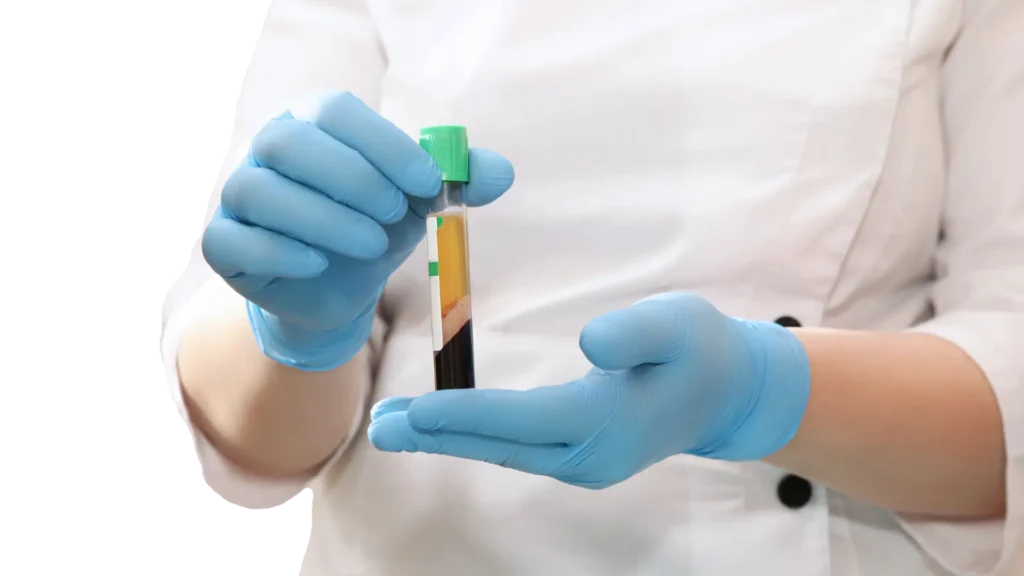
Platelet rich plasma injections represent the most scientifically validated natural approach to hair restoration. This treatment uses the patient’s own blood, processed to concentrate platelets containing powerful growth factors. When injected into the scalp, these growth factors stimulate hair follicles, promote blood vessel formation, and activate stem cells crucial for hair regeneration.
The process involves drawing a small amount of blood, similar to routine laboratory work, then using specialised centrifugation to separate and concentrate the platelets. The resulting platelet enriched plasma contains 3-5 times the normal concentration of growth factors found in regular blood. These growth factors include Platelet-Derived Growth Factor (PDGF), Transforming Growth Factor-beta (TGF-β), and Vascular Endothelial Growth Factor (VEGF), all essential for tissue regeneration.
Clinical Results
Unlike many traditional natural remedies, PRP therapy has substantial scientific backing and documented results. The treatment’s effectiveness stems from its ability to address hair loss at the cellular level. Rather than simply providing external stimulation or nutrition, PRP delivers concentrated growth signals directly to hair follicles, potentially reversing the miniaturisation process that characterises pattern hair loss.
Platelet-Rich Fibrin (PRF) represents an advancement over traditional PRP therapy. This second-generation treatment creates a natural fibrin matrix that provides sustained release of growth factors over 10-14 days, compared to PRP’s 2-3 day release period. The extended growth factor availability may enhance follicle stimulation and improve overall results.
PRF processing doesn’t require anticoagulants, preserving the natural clotting cascade and potentially improving biocompatibility. The slower centrifugation process creates a more physiologic fibrin structure that better supports cellular migration and tissue regeneration.
The most effective natural hair restoration often combines multiple approaches. Professional microneedling can enhance the effectiveness of platelet enriched plasma by improving absorption and creating additional healing stimuli. Similarly, targeted nutritional support can optimise the body’s response to regenerative treatments.
LED light therapy has shown promise when combined with platelet therapies, as specific wavelengths can stimulate cellular metabolism and enhance growth factor activity. This combination approach addresses hair loss through multiple pathways while maintaining a natural treatment philosophy.
Natural hair restoration extends beyond direct treatments to include lifestyle modifications that support overall hair health. Stress management, adequate sleep, and proper nutrition create an optimal environment for hair growth. While these factors alone rarely reverse significant hair loss, they can enhance the effectiveness of other treatments and prevent further loss.
Many natural hair loss remedies promise rapid results, but genuine hair regrowth is a gradual process that takes months to become apparent. Treatments claiming to restore hair within weeks are typically ineffective or using before/after photos that don’t represent typical results.
Similarly, single-ingredient solutions rarely provide significant results for pattern hair loss. Hair loss is a complex biological process that typically requires comprehensive approaches rather than simple topical applications or supplements.
Individual factors including genetics, age, extent of hair loss, and overall health significantly impact treatment effectiveness. Natural remedies that claim to work for everyone regardless of circumstances are often ineffective for most users. Personalised treatment approaches based on individual assessment typically deliver better results.
When considering natural hair loss remedies, look for treatments with published clinical research, realistic timelines, and transparent information about expected results. Be wary of treatments that promise dramatic results without scientific backing or refuse to discuss potential limitations.
Professional consultation can help determine which natural approaches are most suitable for your specific situation. Qualified practitioners can assess your hair loss pattern, discuss realistic expectations, and develop comprehensive treatment plans that combine the most effective natural methods.
While some natural remedies appear inexpensive, the cost of trying multiple ineffective treatments can add up significantly. Investing in proven natural treatments like platelet rich plasma injections may provide better value than spending money on numerous unproven remedies.
Consider the total cost of treatment over time, including the value of achieving actual results versus the frustration and expense of treatments that don’t work. Effective natural hair restoration is an investment in your confidence and appearance that can provide lasting benefits.
The landscape of natural hair loss remedies ranges from unproven home remedies to scientifically validated regenerative treatments. While the appeal of simple, inexpensive solutions is understandable, effective natural hair restoration typically requires professional-grade treatments that address hair loss at the cellular level.
PRP and similar regenerative approaches represent the pinnacle of natural hair restoration, offering documented results through scientifically sound mechanisms. These treatments harness the body’s natural healing power while delivering concentrated therapeutic factors directly where they’re needed most.
For individuals seeking effective natural hair loss solutions, consulting a professional provides the best opportunity for meaningful results. Qualified practitioners can assess your specific hair loss pattern, recommend treatments that fit your expectations, and develop comprehensive protocols that may include complementary approaches such as targeted nutritional support and advanced delivery techniques.

Copyright © 2025 Cosmed HairSkin Solutions. All rights reserved

 +61 406 888 546
 admin@cosmedhairskin.com.au
 Gold Coast: 3019/27 Garden Street Southport, QLD 4215