
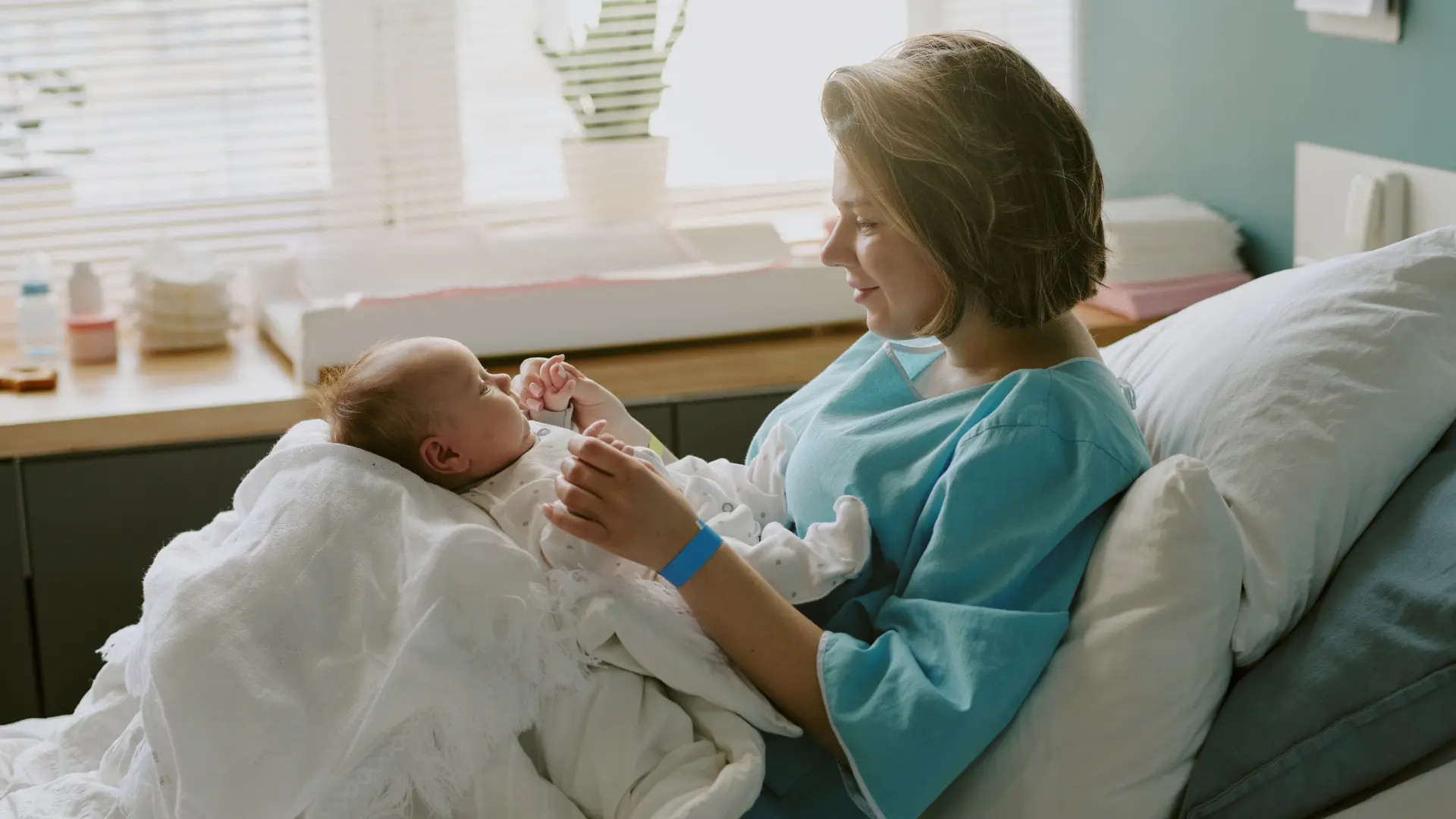
Becoming a mother brings incredible joy—and sometimes unexpected changes to your body. One of the most distressing surprises for many new mums is postpartum hair loss. If you’ve noticed alarming amounts of hair in your shower drain or on your pillow a few months after giving birth, you’re not alone. In fact, postpartum hair thinning affects up to half of all new mothers.
At Cosmed HairSkin Solutions, we understand how concerning this can be during an already overwhelming time. The good news? Postpartum hair loss is usually temporary and completely normal. Here’s what you need to know.
Why Does Hair Fall Out After Pregnancy?
During pregnancy, elevated estrogen levels essentially put your hair on pause. Normally, you shed between 50-100 hairs daily as part of your hair’s natural growth cycle. But when you’re pregnant, those high hormone levels keep more hairs in their growth phase, which is why many women experience thicker, shinier hair during pregnancy.
After delivery, your hormone levels rapidly return to normal. All those hairs that were “stuck” in the growth phase during pregnancy suddenly shift into the shedding phase at once. The medical term for this is telogen effluvium—a temporary condition where large numbers of hair follicles enter the resting phase simultaneously.
The timeline typically looks like this:
- During pregnancy: Minimal shedding, thicker hair
- 1-2 months postpartum: Hair loss begins
- 3-4 months postpartum: Peak shedding period
- 6-12 months postpartum: Hair gradually returns to normal
How Much Hair Loss Is Normal?
While it can feel like you’re losing handfuls of hair, what you’re actually experiencing is the delayed shedding of hair that would have naturally fallen out over nine months. Instead of gradual, daily shedding, it’s all happening at once.
Normal postpartum hair loss:
- More noticeable shedding when brushing or washing
- Temporary thinning, especially around the hairline and temples
- Peak shedding around 3-4 months after delivery
- Gradual improvement by 12 months postpartum
When to be concerned:
- Hair loss continuing beyond 12-15 months
- Bald patches or significant thinning areas
- Accompanying symptoms like fatigue or weight changes
- Very rapid or severe hair loss
What Factors Can Make It Worse?
While hormonal changes are the primary cause, several factors can intensify postpartum hair loss:
Nutritional Deficiencies: Pregnancy and breastfeeding deplete essential nutrients. Iron deficiency is particularly common in new mothers and can worsen hair loss.
Stress and Sleep Deprivation: The physical and emotional demands of caring for a newborn can impact your hair growth cycle.
Thyroid Issues: Postpartum thyroiditis affects some women, causing temporary or permanent thyroid dysfunction that can contribute to hair loss.
Previous Hair Treatments: Chemical treatments, tight hairstyles, or heat styling during or before pregnancy may compound the problem.
What You Can Do to Support Hair Recovery
While you can’t prevent postpartum hair loss entirely, you can support your hair’s recovery and minimize damage:
Nutrition Is Key
Your body needs proper nutrition to recover from pregnancy and support hair regrowth:
- Protein: Essential for hair structure. Include lean meats, fish, eggs, legumes, and dairy
- Iron: Crucial for hair growth. Found in red meat, spinach, lentils, and fortified cereals
- Omega-3 fatty acids: Support scalp health. Found in fatty fish, walnuts, and flaxseeds
- Biotin and B vitamins: Support hair growth. Found in eggs, nuts, whole grains, and leafy greens
- Zinc: Aids tissue repair. Found in meat, shellfish, legumes, and seeds
If you’re breastfeeding, continue taking prenatal vitamins or a postnatal supplement specifically formulated for nursing mothers.
Handle Your Hair Gently
During the shedding phase, be extra gentle with your hair:
- Use a wide-tooth comb instead of a brush
- Avoid tight hairstyles like ponytails or buns
- Limit heat styling and chemical treatments
- Pat hair dry with a soft towel rather than rubbing
- Choose gentle, sulfate-free shampoos
- Consider a shorter, easier-to-manage haircut
Manage Stress and Prioritize Rest
We know this is easier said than done with a newborn, but stress management is crucial:
- Accept help from family and friends
- Rest when your baby sleeps
- Practice gentle exercise when cleared by your doctor
- Consider meditation or deep breathing exercises
- Don’t be afraid to ask for support
Scalp Care Matters
A healthy scalp supports healthy hair growth:
- Massage your scalp daily to improve circulation
- Keep your scalp clean but don’t over-wash
- Avoid harsh chemicals and styling products
- Stay hydrated—drink plenty of water
When Should You See a Professional?
Most postpartum hair loss resolves on its own within 6-12 months. However, you should consult a healthcare professional if:
- Hair loss continues beyond 12-15 months postpartum
- You experience other symptoms like extreme fatigue, weight changes, or sensitivity to cold (potential thyroid issues)
- You develop bald patches or very noticeable thinning
- You have severe or rapid hair loss
- Hair loss is accompanied by scalp pain, redness, or irritation
Your doctor may want to check for:
- Iron deficiency or anemia
- Thyroid dysfunction
- Vitamin deficiencies
- Other underlying health conditions
Professional Treatment Options
For women experiencing prolonged or severe postpartum hair loss, professional treatments can help accelerate recovery:
Platelet-Rich Plasma (PRP) Therapy: PRP uses your body’s own growth factors to stimulate hair follicles and promote regrowth. This treatment is safe for breastfeeding mothers and can be particularly effective for postpartum hair thinning.
Nutritional Supplementation: Professional-grade supplements targeted specifically for hair health, often more effective than over-the-counter options.
Topical Treatments: Hair regrowth serums containing growth-supporting ingredients like copper peptides and biotin can nourish follicles directly.
Scalp Treatments: Professional scalp therapies such as bio-revitalizing solution can improve circulation and create optimal conditions for hair regrowth.
At Cosmed HairSkin Solutions, we offer comprehensive consultations to assess your individual situation and develop personalized treatment plans for postpartum hair recovery.
The Emotional Impact
Beyond the physical aspect, postpartum hair loss can be emotionally challenging. Many new mothers already feel self-conscious about their changing bodies, and hair loss can add to feelings of loss of control or diminished self-esteem.
Remember:
- You’re not alone—this affects up to 50% of new mothers
- It’s temporary for the vast majority of women
- Your body has just accomplished something incredible
- Seeking support is a sign of strength, not weakness
If hair loss is significantly affecting your mental health, don’t hesitate to discuss it with your healthcare provider or a counselor who specializes in postpartum support.
Prevention for Future Pregnancies
If you’re planning another pregnancy, you can prepare your hair health in advance:
- Ensure good nutrition before, during, and after pregnancy
- Address any vitamin deficiencies before conception
- Maintain a gentle hair care routine throughout pregnancy
- Stay hydrated and manage stress levels
- Consider prenatal vitamins even before becoming pregnant
The Bottom Line
Postpartum hair loss is a common, temporary condition that results from the dramatic hormonal shifts after giving birth. While it can be distressing, understanding that it’s a normal part of the postpartum journey can provide reassurance.
Focus on nourishing your body with proper nutrition, being gentle with your hair, managing stress, and giving yourself time to recover. For most women, hair growth returns to normal within 6-12 months without intervention.
However, if you’re concerned about the extent of your hair loss, it’s continuing beyond a year, or it’s significantly impacting your wellbeing, professional help is available. Modern treatments like PRP therapy can support your hair’s natural recovery process safely and effectively.
Remember, you’ve just brought new life into the world. Your body deserves patience, care, and kindness as it adjusts to a new chapter.
If you’re experiencing postpartum hair loss and would like professional guidance, Cosmed HairSkin Solutions offers comprehensive consultations for free at our Brisbane and Gold Coast locations. Our experienced team can assess your individual situation and recommend personalized treatment options to support your hair recovery journey.



 +61 406 888 546
 admin@cosmedhairskin.com.au
 Brisbane Bowen Hills: 10/7 O'Connell Tce, Bowen Hills QLD 4006