
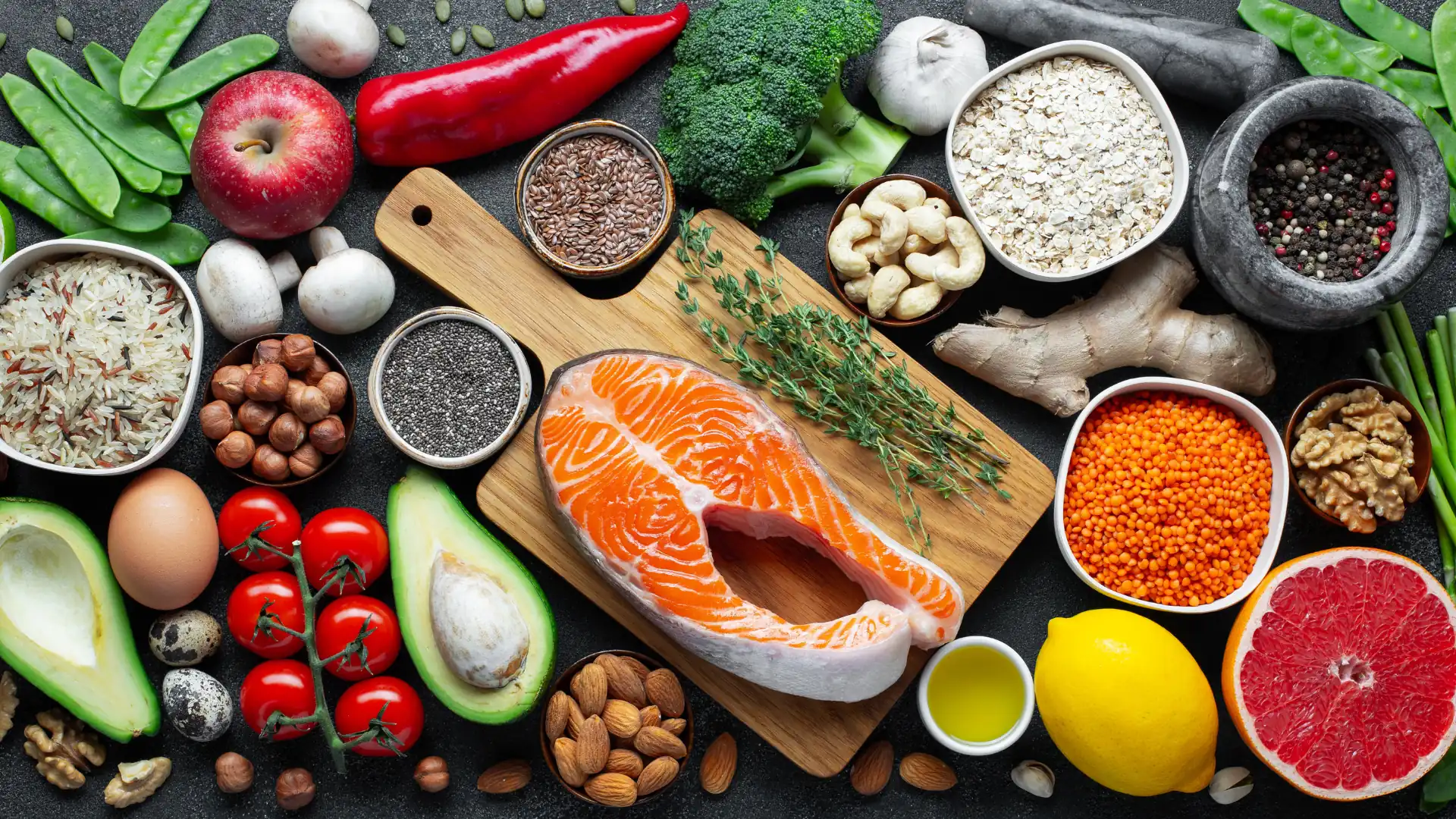
Hair loss affects millions of people worldwide, with both men and women experiencing thinning hair at different stages of life. While genetics and hormonal changes play significant roles in hair loss, your diet can be a powerful tool in maintaining healthy hair growth and preventing premature hair loss.
At Cosmed HairSkin Solutions, we understand that healthy hair starts from within. While professional treatments like PRP therapy and PRF treatments offer excellent results for hair restoration, incorporating the right foods into your daily diet can support and enhance your hair’s natural strength and growth cycle.
Understanding the Connection Between Nutrition and Hair Health
Your hair follicles are among the most active cells in your body, requiring a steady supply of nutrients to produce strong, healthy strands. Hair is primarily made of protein, specifically keratin, and needs various vitamins and minerals to grow properly. When your body lacks essential nutrients, hair growth slows down, and existing hair becomes weak and prone to breakage.
Poor nutrition can lead to several hair-related issues, including:
- Thinning hair and reduced hair density
- Slow hair growth
- Brittle, weak hair strands
- Premature graying
- Complete hair loss in severe cases
The good news is that making strategic dietary choices can significantly impact your hair’s health and appearance. Let’s explore the top 10 foods that can help prevent hair loss naturally.
1. Salmon and Fatty Fish
Salmon, mackerel, sardines, and other fatty fish are excellent sources of omega-3 fatty acids, which are essential for hair health. These healthy fats help keep hair shiny and strong while supporting scalp health.
Fatty fish also provide high-quality protein and vitamin D, both crucial for hair follicle health. Omega-3 deficiency can lead to dry, brittle hair and even hair loss. Aim to include fatty fish in your diet 2-3 times per week for optimal benefits.
2. Eggs
Eggs are one of nature’s best sources of biotin and protein, making them a hair loss prevention powerstar. Biotin is essential for the production of keratin, while protein provides the building blocks your hair needs to grow strong and healthy.
Eggs also contain selenium, iron, and zinc – minerals that support healthy hair growth. The combination of these nutrients makes eggs an ideal breakfast choice for anyone looking to strengthen their hair naturally.
3. Spinach and Leafy Greens
Dark leafy greens like spinach, kale, and Swiss chard are packed with iron, folate, and vitamins A and C. Iron deficiency is one of the leading causes of hair loss, particularly in women, making these vegetables crucial for maintaining healthy hair.
Vitamin C in leafy greens helps your body absorb iron more effectively, while vitamin A helps produce sebum, the natural oil that keeps your scalp and hair moisturised. Include a serving of leafy greens in your daily meals to support optimal hair health.
4. Avocados
Avocados are rich in healthy monounsaturated fats, vitamin E, and biotin. Vitamin E is a powerful antioxidant that protects hair follicles from damage caused by free radicals and environmental stress.
The healthy fats in avocados help maintain scalp health and add natural shine to your hair. Biotin deficiency has been linked to hair loss, making avocados an excellent addition to your hair-healthy diet.
5. Nuts and Seeds
Almonds, walnuts, flaxseeds, and chia seeds provide essential fatty acids, vitamin E, and zinc. Walnuts are particularly beneficial as they contain alpha-linolenic acid, a type of omega-3 fatty acid that may help condition hair naturally.
Seeds like pumpkin seeds are rich in zinc, which plays a crucial role in hair tissue growth and repair. A handful of mixed nuts and seeds makes for a perfect hair-healthy snack.
6. Sweet Potatoes
Sweet potatoes are loaded with beta-carotene, which your body converts to vitamin A. This vitamin is essential for cell growth, including hair cells, and helps produce sebum to keep hair healthy and moisturised.
Unlike some sources of vitamin A, sweet potatoes provide it in a form that’s less likely to cause toxicity, making them a safe and delicious way to support hair health.
7. Greek Yogurt
Greek yogurt is an excellent source of protein and contains vitamin B5 (pantothenic acid), which helps improve blood flow to the scalp and may help prevent hair thinning. The probiotics in yogurt also support overall health, which can indirectly benefit hair growth.
The protein content in Greek yogurt provides amino acids necessary for keratin production, making it an ideal snack or breakfast option for healthier hair.
8. Lean Poultry
Chicken and turkey provide high-quality protein essential for strong hair growth. These lean meats also contain iron in a form that’s easily absorbed by your body, helping prevent iron-deficiency-related hair loss.
Poultry also provides B vitamins, particularly niacin, which helps improve circulation to the hair follicles, promoting better nutrient delivery and hair growth.
9. Berries
Strawberries, blueberries, and other berries are rich in vitamin C and antioxidants. Vitamin C helps your body absorb iron and is essential for collagen production, which strengthens hair strands and prevents breakage.
The antioxidants in berries protect hair follicles from damage caused by environmental stressors and aging, helping maintain healthy hair growth as you age.
10. Oysters
Oysters contain more zinc per serving than almost any other food. Zinc deficiency is linked to hair loss and slow hair growth, making oysters an excellent choice for hair health. However, since oysters can be expensive and aren’t accessible to everyone, other zinc-rich foods like beans, chickpeas, and fortified cereals can provide similar benefits.
Additional Dietary Tips for Healthy Hair
Beyond these specific foods, consider these general dietary guidelines for optimal hair health:
Stay Hydrated: Drink plenty of water throughout the day to keep your hair and scalp hydrated from within.
Limit Processed Foods: Reduce consumption of processed foods high in sugar and unhealthy fats, which can negatively impact hair health.
Consider Supplements: If you struggle to get enough nutrients from food alone, consider discussing hair-specific supplements with your healthcare provider.
Maintain Consistent Eating Habits: Crash diets and extreme calorie restriction can lead to hair loss, so maintain steady, balanced nutrition.
When to Seek Professional Help
While proper nutrition plays a vital role in hair health, some types of hair loss require professional treatment. If you’re experiencing significant hair thinning or loss despite maintaining a healthy diet, it may be time to explore advanced treatment options.
At Cosmed HairSkin Solutions, we offer evidence-based treatments like PRP (Platelet-Rich Plasma) and PRF (Platelet-Rich Fibrin) therapy, which use your body’s own healing factors to stimulate hair growth. These treatments work synergistically with good nutrition to provide comprehensive hair restoration solutions.
Conclusion
Preventing hair loss naturally through diet is an achievable goal when you know which foods to prioritise. By incorporating these 10 nutrient-rich foods into your regular meals, you’re providing your hair follicles with the essential building blocks they need for healthy growth.
Remember that hair growth is a gradual process, and it may take several months of consistent healthy eating to see noticeable improvements in your hair’s thickness and strength. Combine these dietary strategies with professional treatments when needed, and you’ll be well on your way to achieving the healthy, full hair you desire.
For personalised advice on hair loss prevention and treatment options, contact Cosmed HairSkin Solutions. Our experienced team can help you develop a comprehensive approach to hair health that combines proper nutrition with advanced medical treatments tailored to your specific needs.

 +61 406 888 546
 admin@cosmedhairskin.com.au
 Brisbane Bowen Hills: 10/7 O'Connell Tce, Bowen Hills QLD 4006